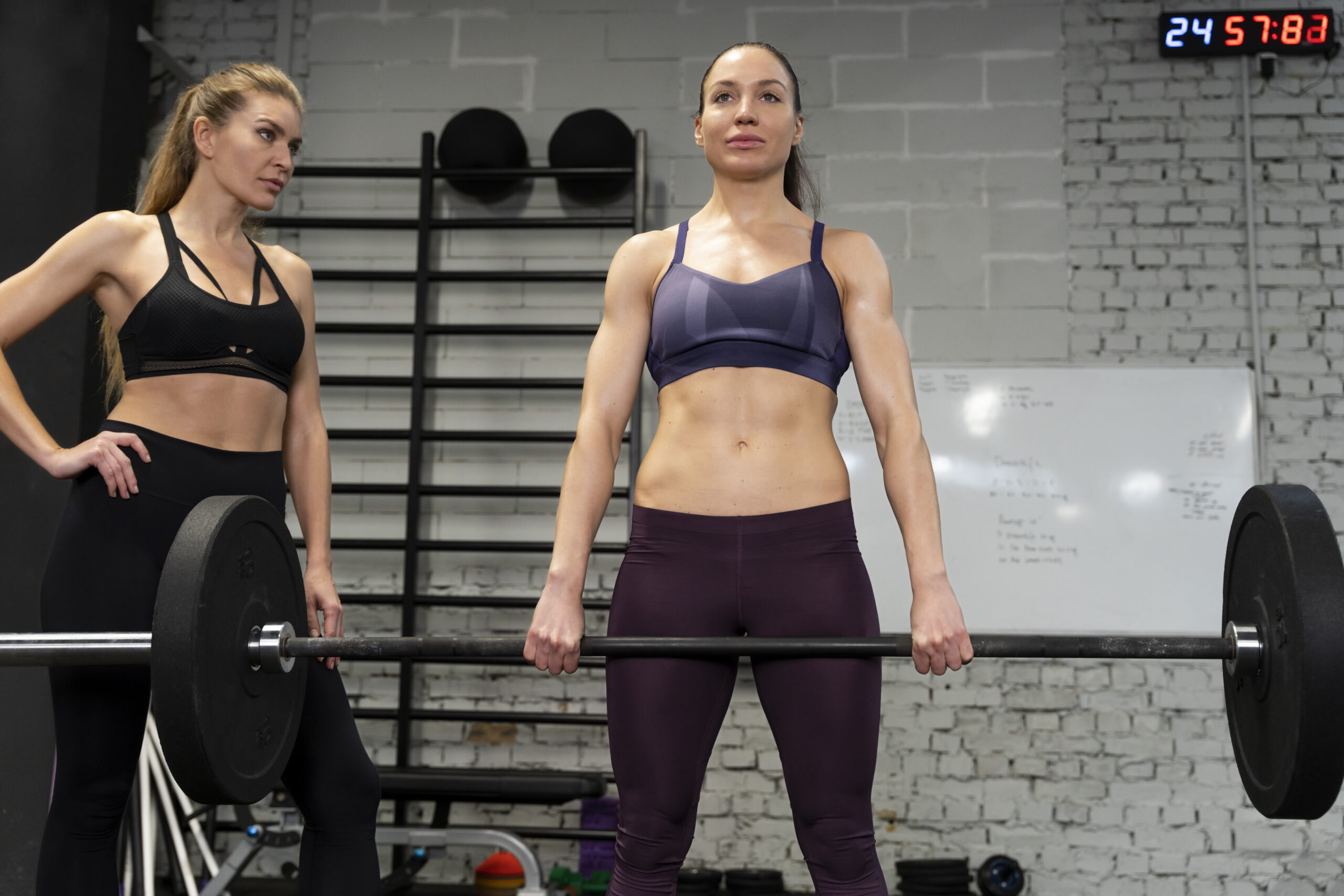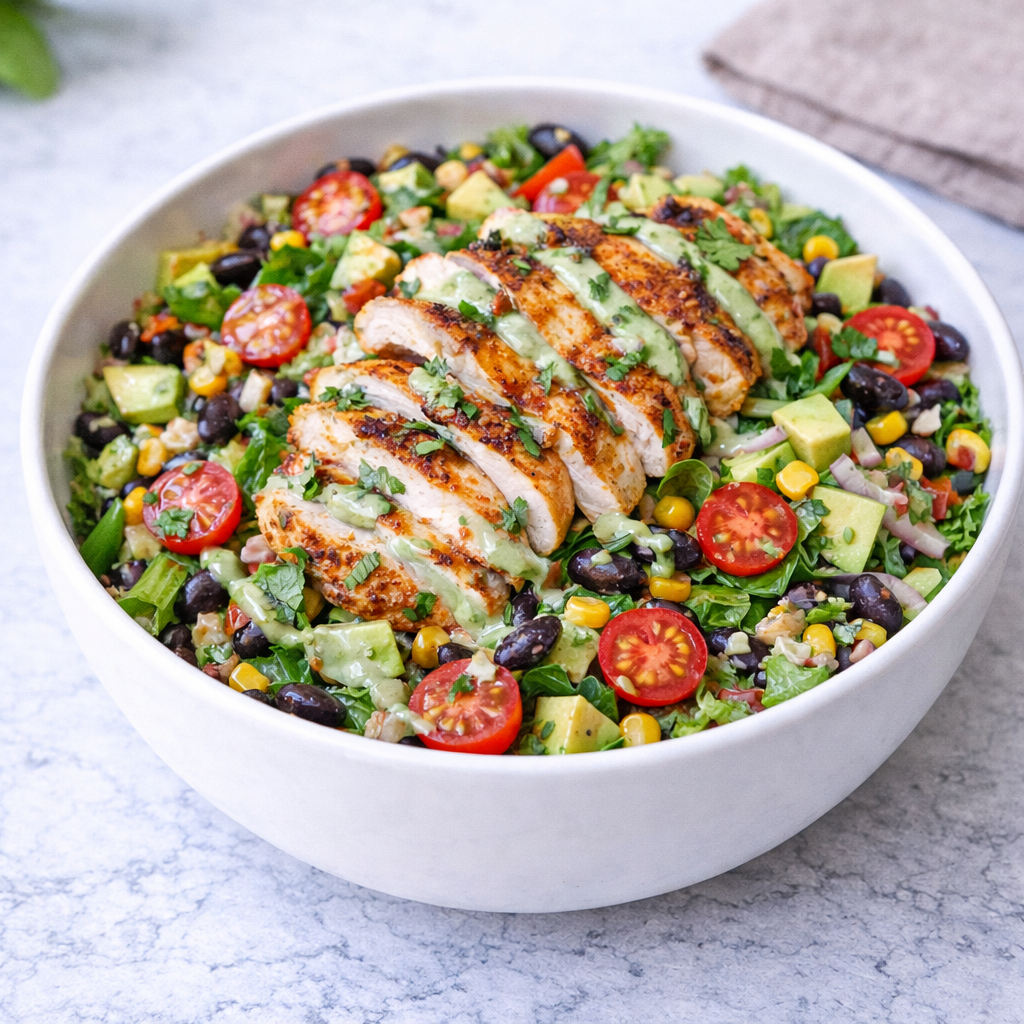
As we get older, maintaining muscle becomes increasingly important.
Muscle isn’t just about looking lean or being able to lift heavy weights. It helps you maintain strength, movement and independence as you age.
Resistance training is one of the best ways to stimulate your muscles, but your body also needs the raw materials to repair and maintain that muscle.
That’s where protein comes in.
New Australian research highlights the importance of protein
This isn’t just something fitness professionals are talking about.
In September 2026, CSIRO released new research highlighting the importance of adequate protein intake during midlife, particularly for women going through the typical menopausal transition.
CSIRO’s analysis found that women aged 40–55 were consuming, on average, around 35 grams less protein than the 1.2 g/kg body-weight level identified as an optimal intake in its analysis. Only around one in three women surveyed reported consuming protein at this level.
CSIRO also highlighted that simply eating less isn’t necessarily the answer to midlife weight gain. Adequate protein can help support appetite management, muscle mass, strength and overall physical health.
You can read the full CSIRO article here:
CSIRO: The protein gap — importance of protein during menopause
The research is particularly relevant if you’re over 40 and trying to lose body fat while maintaining muscle.
So how much protein should you eat?
There isn’t one perfect number for everybody.
Your protein requirements can vary depending on your body weight, age, activity levels and goals.
As a practical starting point, someone who regularly performs resistance training may benefit from aiming around 1.2–1.6 grams of protein per kilogram of body weight per day.
For example, someone weighing 80 kg might aim for approximately 95–130 grams of protein per day.
That doesn’t mean you have to hit the number perfectly every day.
Think of it as a useful target rather than another number you have to obsess over.
Don’t just focus on dinner
One of the easiest mistakes is eating very little protein during the day and then trying to make up for it at dinner.
For example:
Breakfast: toast and coffee
Lunch: sandwich
Dinner: steak, chicken or fish
You’ve probably eaten a decent amount of protein at dinner — but the rest of the day may have been relatively low.
A better approach is to include a quality protein source at each main meal.
Breakfast
- Eggs
- Greek yoghurt
- Cottage cheese
- High-protein yoghurt
- Milk
Lunch
- Chicken
- Tuna
- Lean beef
- Turkey
- Eggs
- Tofu or legumes
Dinner
- Fish
- Chicken
- Lean beef
- Pork
- Tofu
- Beans or lentils
Snacks
- Greek yoghurt
- Cottage cheese
- Milk
- Protein shake
- Boiled eggs
This makes reaching your daily target much easier.
Protein isn’t just for bodybuilders
There’s still a perception that protein is something you worry about if you’re trying to “bulk up.”
You don’t need to be trying to become a bodybuilder to benefit from eating enough protein.
If you’re trying to lose weight, protein can be particularly useful because it allows you to build meals around foods that are filling and nutrient-dense.
And if you’re doing resistance training, you’re giving your muscles a reason to adapt.
In simple terms:
Training provides the stimulus.
Protein provides some of the building blocks.
You need both.
What about protein shakes?
You don’t need protein powder to eat enough protein.
It’s simply a convenient option.
If you can comfortably get enough protein from normal foods such as meat, fish, eggs, dairy, legumes and other protein-rich foods, that’s absolutely fine.
But if you’re busy and struggle to get enough protein from meals, a protein shake can be an easy way to increase your intake.
Think of it as convenience rather than magic.
What if I’m trying to lose weight?
This is where protein gets particularly interesting.
One of the biggest mistakes people make when trying to lose weight is simply cutting their food intake dramatically.
They eat less, lose weight for a while and assume the job is done.
But if you’re over 40, maintaining muscle should also be part of the equation.
That’s why a better approach is often:
Eat enough protein + perform regular resistance training + create an appropriate calorie deficit.
The aim isn’t simply to make the number on the scales smaller.
It’s to improve your body composition while maintaining as much muscle and strength as possible.
And don’t forget the weights
Protein on its own isn’t a substitute for training.
If you’re over 40 and want to stay strong, resistance training should be a major part of your week.
You don’t have to train like a professional athlete.
You just need to provide your body with a consistent reason to stay strong.
The simple rule
If you’re over 40, don’t make nutrition unnecessarily complicated.
Start with three simple habits:
1. Include a protein source at every main meal.
2. Aim for an appropriate daily protein intake for your body and activity level.
3. Combine your nutrition with regular strength training.
You don’t need a perfect diet.
You don’t need to eat chicken and broccoli seven days a week.
And you definitely don’t need to drink six protein shakes a day.
You simply need to consistently give your body the nutrition and training stimulus it needs.
Your 40s aren’t the time to stop caring about muscle.
They’re arguably the time to start paying more attention to it.
Eat well. Lift weights. Stay strong.
And remember — the goal isn’t just to look good now.
It’s to still be strong, capable and active years from now.